
Your complete guide to digital catalogs
Everything you need to know about digital catalogs and how to create, automate, and track them. Learn the concept and build a faster catalog in Flipsnack.
What is a digital catalog?
A digital catalog is an online document used to present products or services. It can be publicly accessed through a link or shared privately via email. A digital catalogue allows for interactive elements such as product tags, photo slideshows, shopping lists, and wishlists to be a part of it for a shorter buyer journey. It’s the most efficient way to turn potential customers into paying, returning clients.
Digital catalogs come in many different forms, based on what you’re looking to achieve with that e-catalog. The most popular are product catalogs (for retail or wholesale audiences), fashion catalogs, and holiday-themed catalogs. The possibilities are numerous with digital catalogs, they just require a clear objective and an even better understanding of your audience to reach their potential.
The most common types are retail product catalogs (B2C), wholesale catalogs (B2B with order forms and pricing tiers), fashion lookbooks, and seasonal promotional catalogs. With AI and automation now built into platforms like Flipsnack, a catalog that once took a team two weeks can be generated in minutes from a product feed.
Static PDF catalog vs digital catalog
| Feature | Digital catalog | |
|---|---|---|
| Real-time updates | Resend every time | One link, always current |
| Auto-generated from data feed | ✗ | ✓ |
| Shoppable — tags, buy buttons, order forms | ✗ | ✓ |
| Analytics & tracking | ✗ | ✓ |
| Mobile optimized | Pinch & zoom | ✓ |
| AI-animated visuals | ✗ | ✓ |
The history of catalogs - from the Middle Ages to the post-pandemic age
A long, rich catalog history of what the first looked like in 1498 to how customers interact with a digital catalog in our day and age. Here are the most important moments:
1498 – The first catalog created by Aldus Pius Manutius
1667 – Seed catalogs appear, first published by William Lucas, an English gardener
1744 – Mail order is invented by Benjamin Franklin, who published a catalog of science books
1845 – The first mail-order catalog in the USA is created by Tiffany & Co.
1861 – Pryce Pryce-Jones creates the first modern mail-order catalog business, selling products at scale
1980s–1990s – The rise of lifestyle catalogs by retailers showcasing clothing and seasonal items
1982 – Victoria’s Secret catalog drives 55% of annual sales
1990s onward – Catalogs enter the digital era, with Amazon.com publishing its first digital book catalog in 1995
2007 – Apple introduces the iPhone, accelerating digital catalog browsing and shopping
2014 – Digital catalogs on social media transform how products are showcased and marketed globally
2020 – The COVID-19 pandemic accelerates the adoption of online catalogs due to lockdowns and social distancing
2024 – Virtual and augmented reality technologies begin shaping the future of catalogs
2025 – The catalog becomes infrastructure: alive, automated, and ready for AI agents
2026 – Automated, data-driven catalogs replace manual design for large SKU catalogs. AI writes product descriptions, generates visuals, and updates pricing in real time from connected data feeds
What a digital catalog does that print never could
Digital catalogs are an effective marketing tool when used correctly. Include interactive elements in your wholesale catalogs or retail catalogs and truly create an immersive shopping experience for your customers. There are a lot more benefits that cover the creating, sharing, and updating processes of an online catalog:
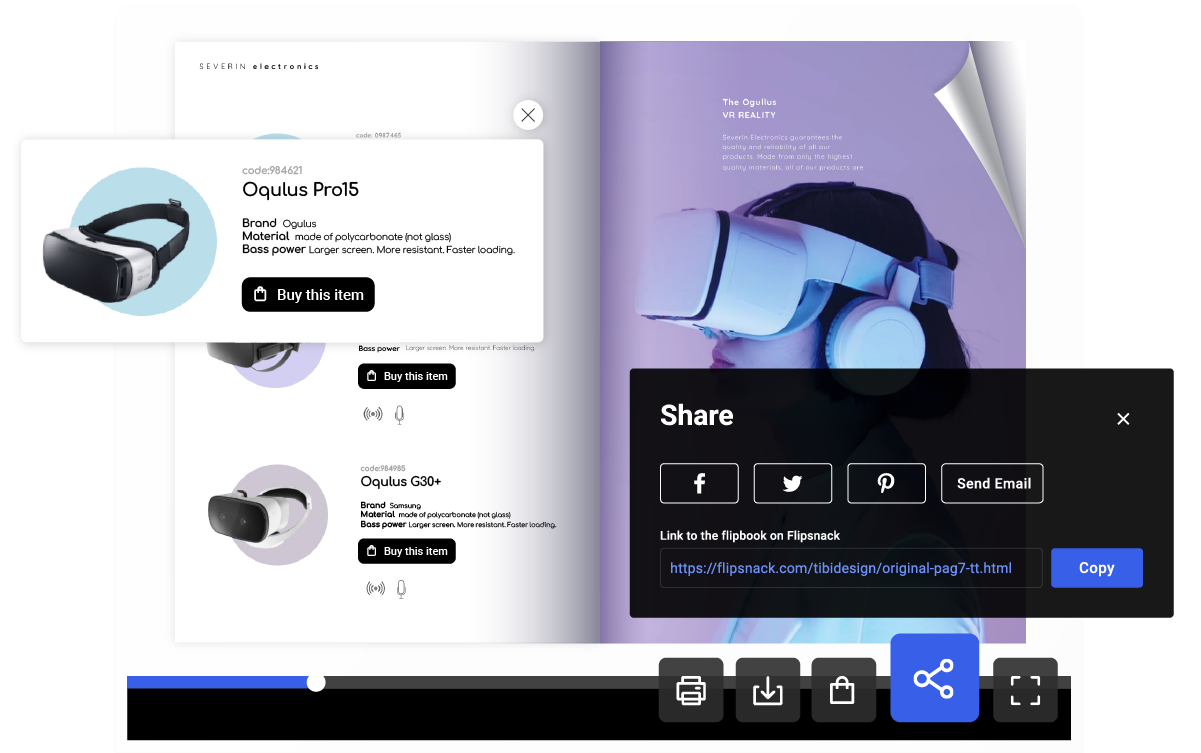
Interactivity
Add interactive elements to your virtual catalogue, such as product tags, buy buttons, and photo slideshows to better present your products.
Share everywhere, instantly
Online product catalogs can be shared in a lot of ways. Distribute digital catalogs via a direct link with individuals or larger groups.
Dynamically update
A digital catalog is easily updated with new prices or product descriptions via a click in real-time. No need to resend the catalog’s link.
Tie back to real engagement data
There is a way to track digital catalogs: with built-in catalog software statistics. Check views, clicks on products, and interactions.
Private catalogs & access control
Send personalized offers to potential customers privately: use a password-protected link, publish as unlisted, or send it via email.
Shoppable wishlists & DRFQ
Buyers select products directly in the catalog, build a wishlist or order, and submit it via email, PDF, or directly to your ordering system.
Retail catalog templates
There are a lot of retail catalog templates ready to be personalized. Have your pick, depending on the layout, interactions used, and if your brand colors would be easily applied. Adjust the design to fit with your brand identity, and make sure to create an appealing, highly interactive e-catalog for your customers.
Create a retail catalogWholesale catalog templates
Choose from our category of wholesale catalog templates that are easily customizable. With a built-in shopping list, you can replace the existing products with your own in just a few clicks. Create personalized catalog offers starting from one template.
Create a wholesale catalogAutomated catalog templates
To make your catalog design process even more effortless, automate catalog creation with an existing template. Save a considerable amount of time and effort by personalizing automated catalog templates with product tags, photo slideshows and using them in your marketing strategy.
Create an automated catalogAI-enhanced product catalogs
AI has fundamentally changed what a catalog can be. In 2026, the best catalogs build themselves, update themselves, and adapt their visuals automatically, transforming a weeks-long production process into enterprise catalog automation: one connected workflow from data feed to published catalog, at any scale.
AI-powered cinematic scenes
AI Living Visuals turns static product photos into cinema-quality scenes, no video team needed.
Catalog automation
Generate and update product catalogs automatically from spreadsheets or databases.
AI for translation
With Flipsnack AI, you can easily translate text within the platform, reaching diverse markets in seconds.
How to make a digital catalog
Creating an e-catalogue is fairly simple. It involves some key steps that remain almost the same regardless of what catalog software you use.
Make a catalog in Flipsnack1. Upload a PDF, connect a data feed, or choose a template
Three ways to start: upload an existing PDF catalog, connect a product spreadsheet or CSV and let Flipsnack generate the catalog automatically from your data, or choose a template.
2. Add branding & interactivity
Once you have the layout of your virtual catalog, add branding elements such as logo, brand font, and colors. For interactions, a catalog would benefit from product tags, buy buttons, or a shopping list if the tool has those features available. You can also turn static product shots into living visuals using the AI Animate feature.
3. Publish and share everywhere
With your branded interactive catalog ready, publish it publicly or privately, depending on its purpose. Unlike printed catalogs, you can reach your audience wherever they are with just a click. Embrace the digital world of catalogs to keep in touch with your customers easier.
4. Track your catalogue
Once you host and store your catalog online, tracking happens automatically. See who read it, which pages held attention, and which products got clicked, all in one dashboard.
5. Update with new prices & products
When the time comes, you don’t have to create a separate catalog to include new prices, products, or descriptions. Do that in just a few minutes, republish it, and the changes will be visible to your audience without resending the catalog.
One source of truth for your catalogs
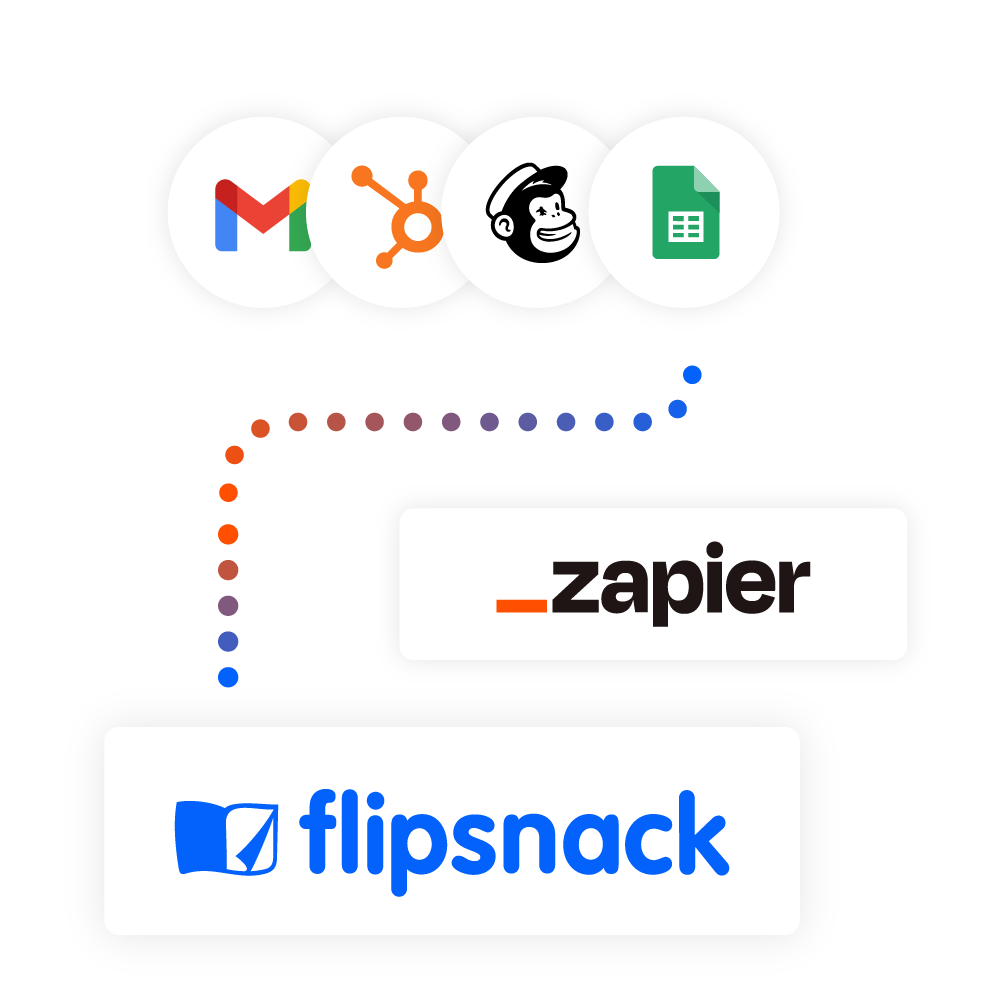
Flipsnack connects to your existing tools, so catalog creation fits right in:
- Shopify: Auto-sync products, prices, and inventory
- Email platforms: Embed catalogs in Mailchimp, HubSpot, etc.
- API access: Build custom generation pipelines via REST API
- ERP systems: Custom data feed connections for enterprise scale
- Salesforce: Track catalog engagement alongside CRM data
- SSO / SAML: Enterprise identity and access management
Learn more about digital catalogs
Your retail or wholesale catalogue needs to be SEO-optimized in order to reach more customers. Check out these videos to improve your overall marketing for the catalogs you create.
More related topics about product catalog
Here are more resources to help you grasp the world of digital catalogs, categorized by different marketing objectives or by use case.
Retail
These articles go into more detail about retail catalogs, starting with how to create a product catalog that you can later on optimize.
How to create a product catalog
Catalog optimization techniques
Guide for creating electronic catalogs
State of digital catalogs (study)
Shopping catalogs - master storytelling and selling
How to make a catalog like Ikea
7 tips for crafting catalog copy that sells
Boost sales with Shopify integration
How to create holiday themed catalogs
Wholesale
Feel encouraged to read our blog articles that talk about wholesale marketing, how to create B2B interactive catalogs and other relevant topics.
B2B reinvented through digital product catalogs
Best fonts for brochures and catalogs
Increase sales with interactive catalogs
Enhance catalogs
In these blog articles, you find out how to make the most of your product catalogues, and practical ways to use them in elevating your business.
How to increase sales with a product catalog
Top digital makers to elevate your business
How to create a catalog in InDesign
FAQ about digital catalogs
Common questions about digital catalogs, how they work, and what Flipsnack specifically offers.
Don't see your question? Visit our help center or talk to our team.

A PDF is static it can't be updated without resending, has no interactivity, and gives you zero data on who read it. A digital catalog in Flipsnack is a living document: interactive, trackable, updatable in real time, and shareable via a single link that always shows the latest version. You can add product tags, shopping lists, embedded video, and a clickable table of contents, none of which a PDF can do.
You connect your product data source, a CSV, Google Sheet, Shopify store, or PIM system to Flipsnack. Map your columns to catalog fields (name, SKU, price, image, category), and Flipsnack generates the full catalog automatically. When your data changes, the catalog regenerates and republishes. Your shared link never changes; buyers always see the current version without you resending anything.
Yes. Flipsnack supports wholesale catalogs with built-in shopping lists and order submission. Buyers select products directly inside the catalog and submit their order via email or direct integration with your ordering system. You can also password-protect catalogs per customer tier, so each buyer sees only their pricing. No external form or spreadsheet needed.
Yes, Flipsnack has a free plan you can start with today, no credit card required. It lets you create and share digital catalogs immediately. Paid plans unlock custom branding, automation, AI tools, advanced analytics, privacy controls, team collaboration, and integrations. Enterprise plans add API access, SSO, and dedicated support.
Flipsnack's built-in analytics show you total views, unique visitors, average time spent, and per-page engagement all in a real-time dashboard. For private catalogs, you can track individual viewer activity by email address: exactly which pages they read, which products they clicked, and how long they spent on each spread. This data feeds directly into how you plan your next catalog.
Your next catalog is one click away
Create interactive, automated, AI-powered catalogs with Flipsnack.